Jesus never said, “Get on the treadmill.”
He said, “Come and follow me.”
That distinction matters more than we realize—not just spiritually, but biologically.
In recent years, neuroscience has been confirming something Scripture has quietly revealed all along: human transformation happens most deeply through invitation, not coercion. Growth flows from desire, not demand. From willingness, not fear.
And our brains know the difference.
Growth, the Brain, and the Power of Choice
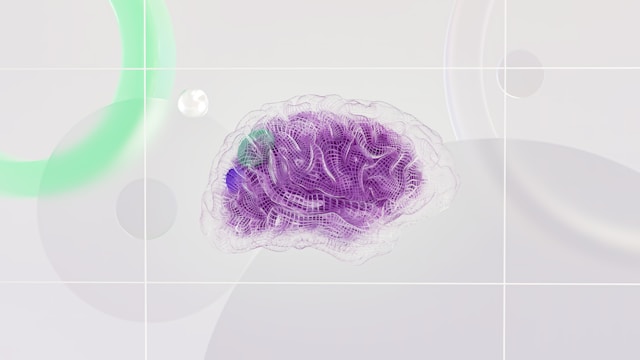
One of the most important drivers of change in the brain is a protein called brain-derived neurotrophic factor, or BDNF. Think of it as Miracle-Gro for the brain. BDNF supports learning, memory, emotional regulation, and the brain’s ability to rewire itself over time.
Here’s what’s fascinating: research consistently shows that how movement happens matters as much as what happens.
In studies comparing voluntary exercise to forced exercise, a striking pattern emerges. When movement is freely chosen—self-paced, internally motivated—BDNF levels rise. Learning improves. Emotional resilience strengthens. The brain becomes more flexible and adaptive.
But when that same movement is forced—paced externally, pressured, or stress-inducing—the results often reverse. Stress hormones rise. Growth signals are suppressed. Sometimes BDNF fails to increase at all.
The body responds differently to invitation than it does to coercion.
That shouldn’t surprise us.
God Has Always Worked by Invitation
From the very beginning, God’s way has been relational, not coercive.
Before there were commandments to obey, there was a garden to explore. Before sin entered the story, there was meaningful work without toil, responsibility without shame, and movement rooted in freedom. God walked with humanity—He didn’t drive them.
Even when Jesus begins calling disciples, He doesn’t apply pressure. He doesn’t manipulate with fear or guilt.
He says:
- “Come and see.”
- “Follow me.”
- “If anyone would come after me…”
- “Do you want to be made well?”
That last question is especially revealing.
Jesus does not assume our readiness for healing. He honors our agency. Transformation, it turns out, requires consent.
Neuroscience now gives us language for why that matters.
Joy Is Not a Reward—It’s Part of the Design
When movement flows from desire rather than obligation, something remarkable happens in the body. Muscles communicate with the brain. Growth-promoting molecules are released. Dopamine reinforces motivation and joy. The system aligns.
Joy isn’t a bonus feature of transformation.
It’s part of the mechanism.
Scripture has always said this in different words:
“The joy of the Lord is your strength.”
Joy increases capacity—the ability to grow, endure, and integrate change over time. It’s not about emotional hype; it’s about inner strength.
This is where fear-based faith quietly breaks down.
Why Fear Can’t Produce Deep Change
Fear can modify behavior.
It can create compliance.
It can keep people “in line.”
But fear struggles to heal the heart or renew the mind.
Just as forced movement suppresses growth in the brain, fear-driven spirituality often suppresses transformation in the soul. People may appear disciplined on the outside while remaining anxious, exhausted, or disconnected on the inside.
This is why so many sincere believers feel stuck—faithful but joyless, obedient but tired, committed but unchanged.
God never intended discipleship to function like a forced march.
“Come and Follow Me” Was Never a Demand
Jesus didn’t coerce people into life.
He invited them into movement.
And when we respond—not perfectly, but willingly—our brains, bodies, and souls begin to do exactly what they were designed to do.
They grow.
Not through pressure.
Not through fear.
But through love, trust, and desire awakened by invitation.
That’s not soft theology.
That’s faithful anthropology.
And it turns out, it’s good neuroscience too.
If fear has been the primary fuel for your faith, it may explain why growth has felt exhausting rather than life-giving. Jesus’ invitation still stands—not to strive harder, but to follow Him freely. Transformation begins there.
Steve
For those who want to sit a little longer with the biblical grounding beneath this reflection, here are a few passages that echo the same invitation-based way of formation.
Scripture Appendix (ESV)
Invitation, Freedom, and Desire
- “Follow me, and I will make you fishers of men.” — Matthew 4:19
- “If anyone would come after me, let him deny himself and take up his cross daily and follow me.” — Luke 9:23
- “Now the Lord is the Spirit, and where the Spirit of the Lord is, there is freedom.” — 2 Corinthians 3:17
Agency and Willing Response
- “I have set before you life and death, blessing and curse. Therefore choose life…” — Deuteronomy 30:19
- “When Jesus saw him lying there… he said to him, ‘Do you want to be healed?’” — John 5:6
Joy as Strength and Capacity
- “…Do not be grieved, for the joy of the LORD is your strength.” — Nehemiah 8:10
- “These things I have spoken to you, that my joy may be in you, and that your joy may be full.” — John 15:11
Fear vs. Love
- “There is no fear in love, but perfect love casts out fear…” — 1 John 4:18
- “…God’s kindness is meant to lead you to repentance.” — Romans 2:4
God’s Original Way
- “And they heard the sound of the LORD God walking in the garden in the cool of the day…” — Genesis 3:8
- “Yet even now,” declares the LORD, “return to me with all your heart…” — Joel 2:12–13